
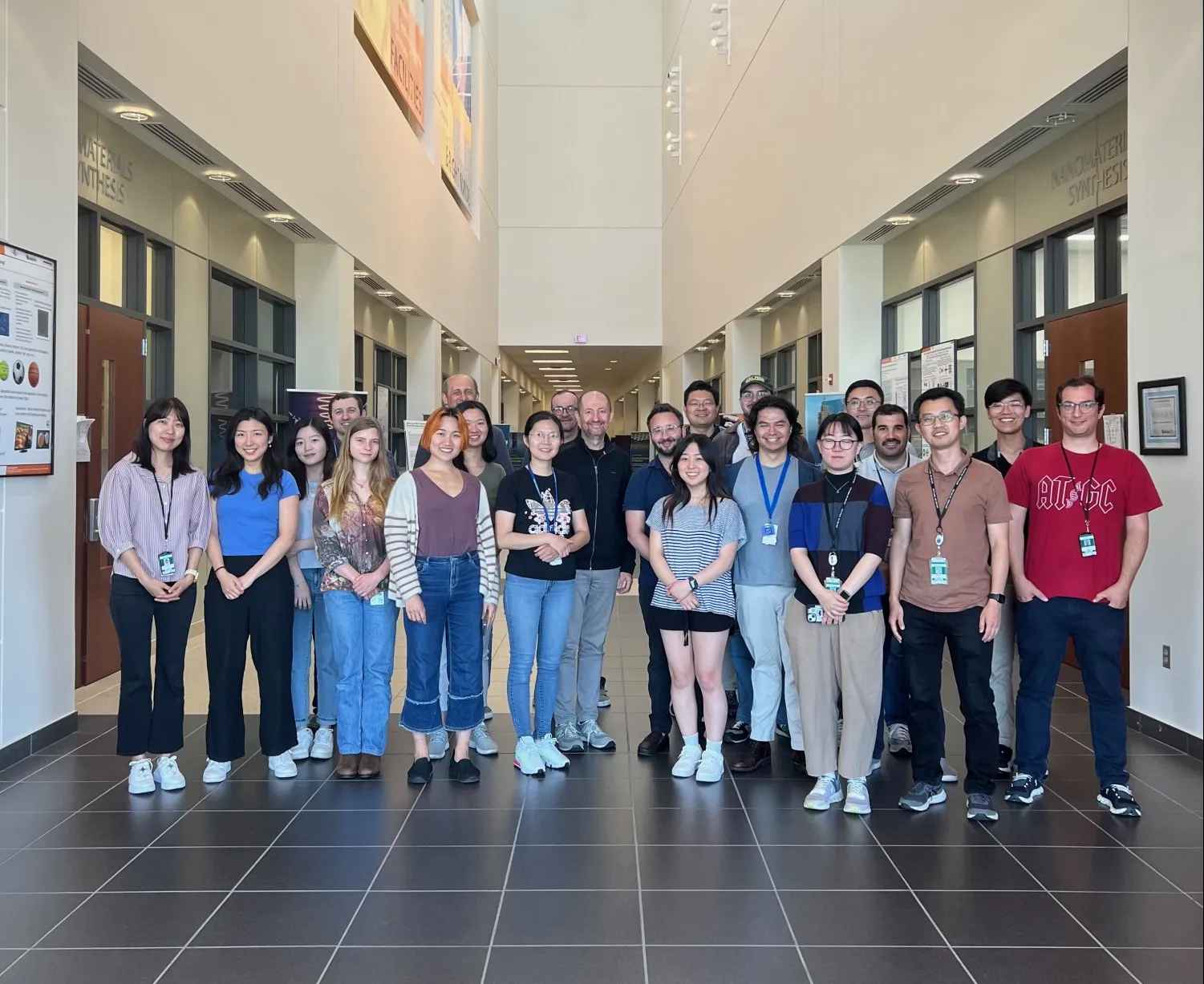
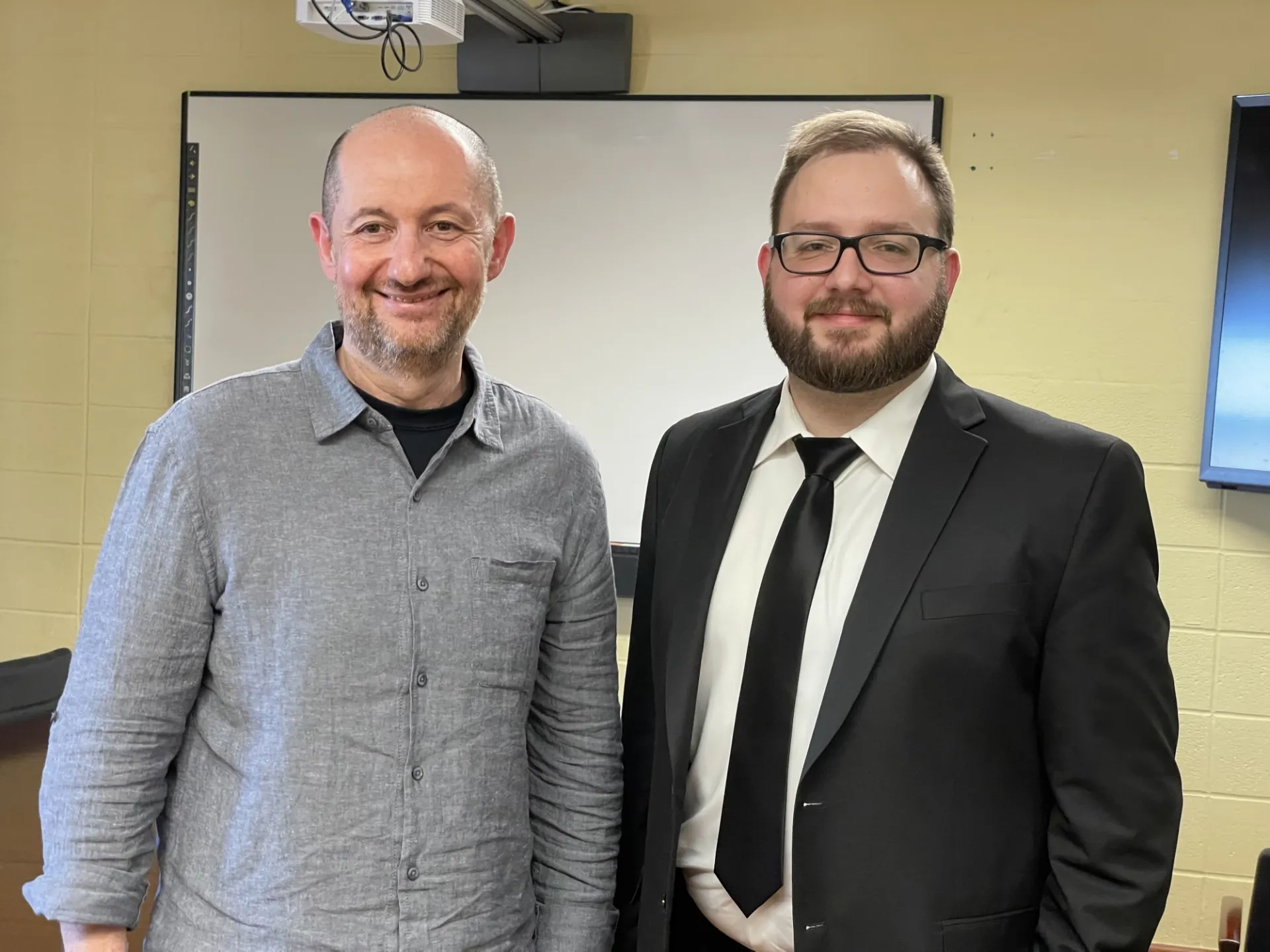

2nd year PhD candidates Alexia Yun and Crystal Lee won the Best Poster Award for symposiums at the Fall Materials Research Society (MRS) conference, which is held from November 26 - December 1, 2023, in Boston, Massachusetts.
Crystal presented her poster at the symposium "Crystallization and Assembly at Interfaces" (SF02). Alexia presented her poster at the symposium "Emerging Material Platforms and Fundamental Approaches for Plasmonics, Nanophotonics and Metasurfaces" (EL08).
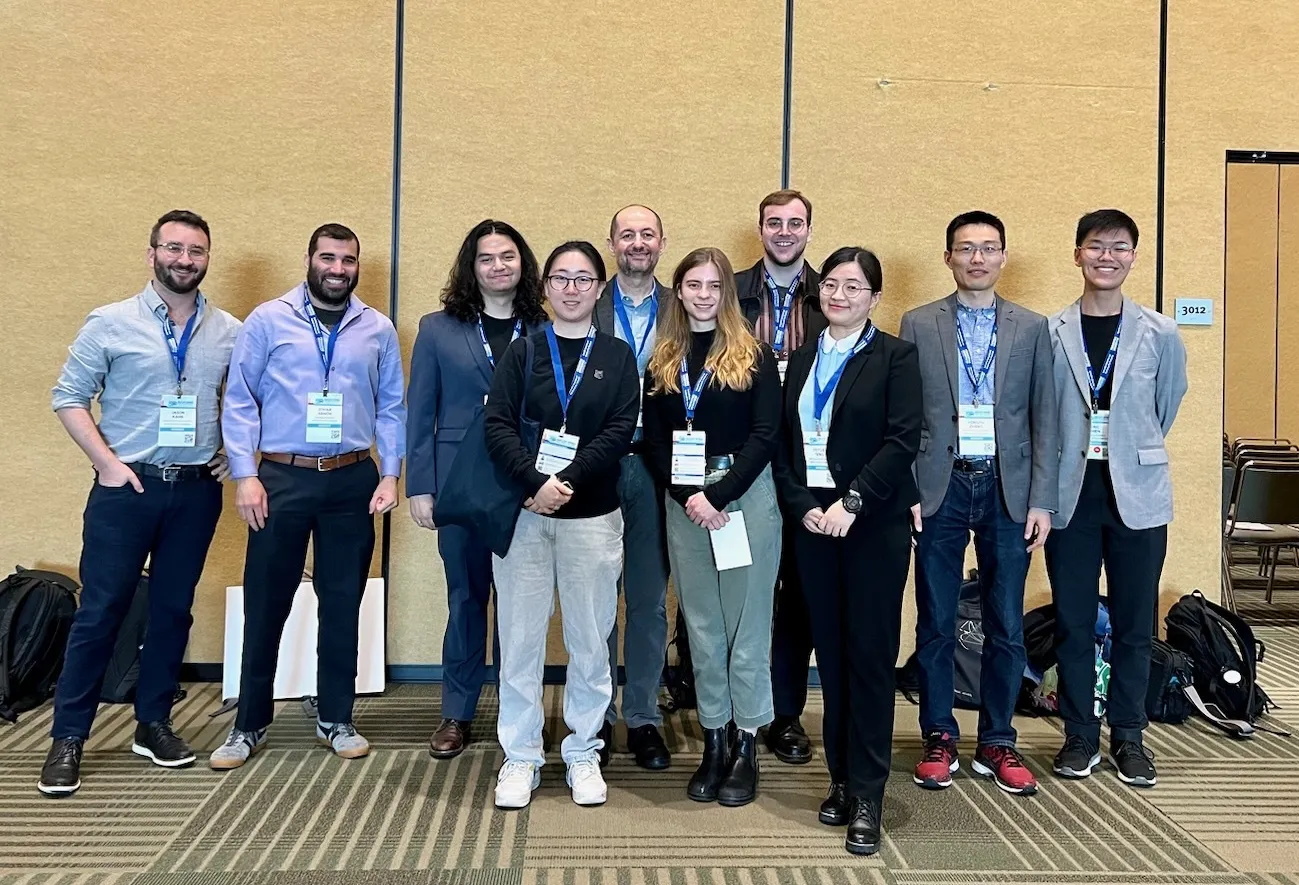
PhD candidates Brian Minevich and Dan Redeker won the Outstanding Graduate Student Award in Aggregation-Based Crystallization Research at the Spring Materials Research Society (MRS) conference held from April 10-14th, 2023 in San Francisco.
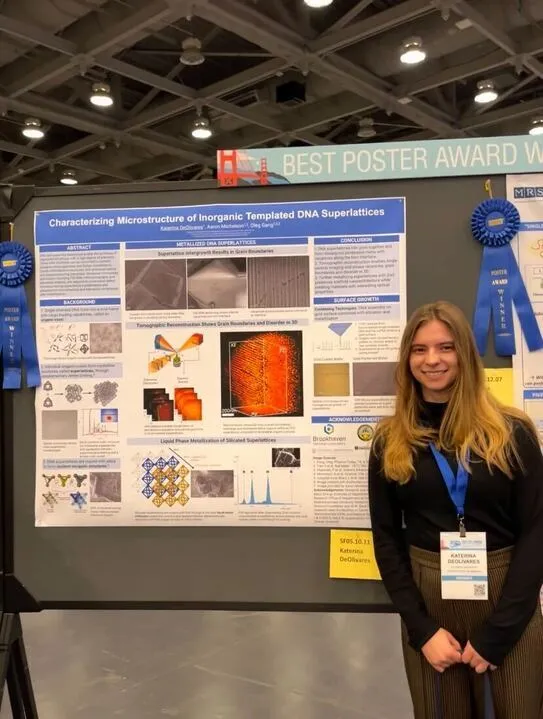
Katerina DeOlivares, a 1st year PhD student in the Gang lab, received an award for best poster at the Spring Materials Research Society (MRS) conference held from April 10-14th, 2023 in San Francisco.
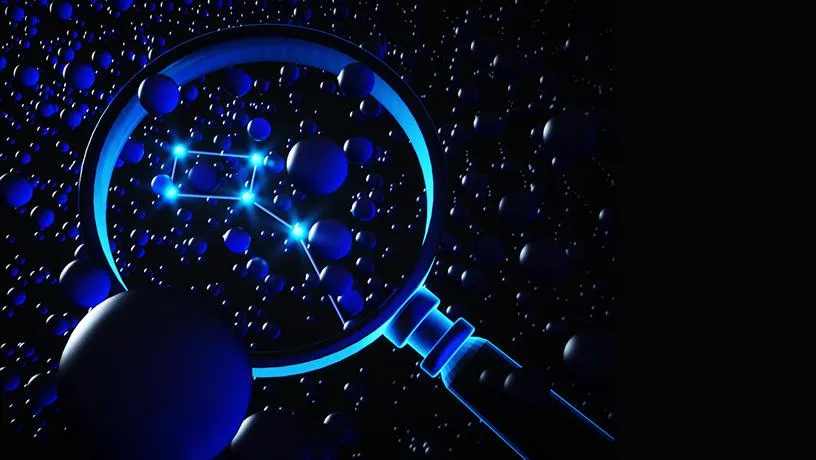
Work by Aaron Michelson and Brian Minevich of the Gang Group has recently been published in the journal Science. This work has also been featured in a Columbia Engineering press release. This work was focused on developing three-dimensional visualization capabilities for our nanoscale architectures and superlattices. Click the link below to find out more!
Columbia Engineering Press Release:
https://www.engineering.columbia.edu/news/oleg-gang-3d-imaging-nanoparticles
Science Article:
https://www.science.org/doi/10.1126/science.abk0463
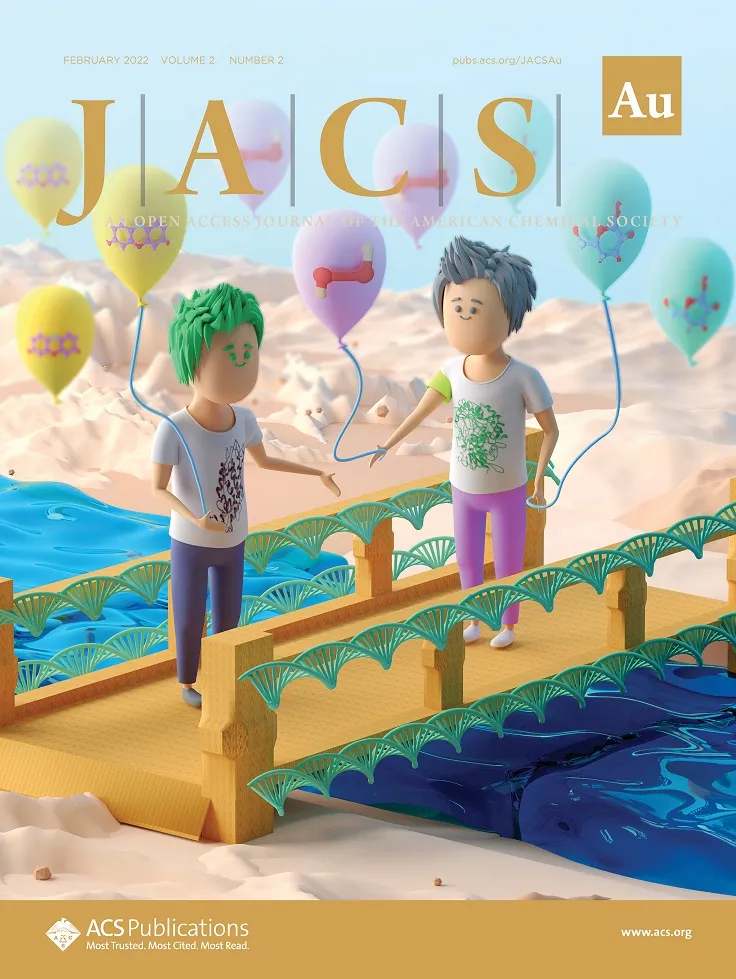
A paper from Professor Gang's group is featured on the February 2022 issue of JACS Au. In the paper, an open, three-dimensional (3D) DNA wireframe octahedron is used to create a library of spatially arranged organizations of enzymes. The contribution of enzyme spacing, arrangement, and location on the 3D scaffold to cascade activity is explored. The experiments provide insight into enzyme scaffold design and allow us to determine that enzyme colocalization itself dominates improvements to enzyme activity.
Read more here: https://doi.org/10.1021/jacsau.1c00387
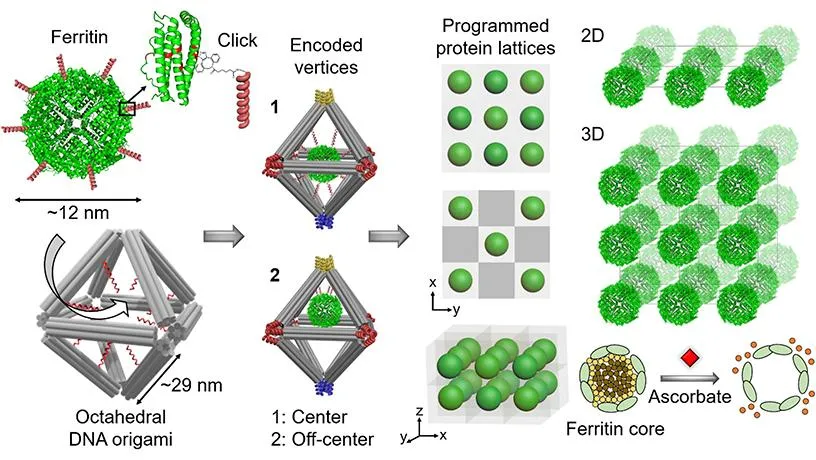
Work done by Professor Gang's group on the development of DNA-based assembly methods to construct biologically active 2D and 3D protein arrays has been featured by Columbia Engineering, the Fu Foundation School of Engineering and Applied Science, in an official press release. This work has potential applications across many fields such as structural biology, biomaterials, nanomedicine, and biocatalysis. Click the link below to learn more:
https://www.engineering.columbia.edu/news/putting-functional-proteins-in-their-place
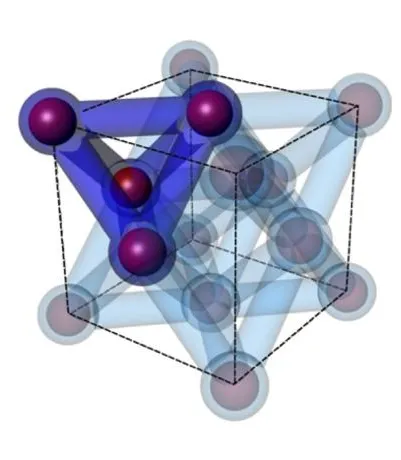
Work done by Professor Gang's group on the development of 3-D ordered nanoscale architectures has been featured by Columbia Engineering, the Fu Foundation School of Engineering and Applied Science, in an official press release. Click the link below to learn more:
https://www.engineering.columbia.edu/press-release/gang-building-3d-nanomaterials-dna

The work done by Professor Gang's group on three-dimensional nanoscale superconducting structures has been featured in Materials Today. The Materials Today News release references a recent journal article from work done by Professor Gang's group that was published in Nature Communications in 2020. This paper was on the ability of DNA to self assemble into structures that can then be fully 'converted' into inorganic materials such as super conductors. Please see the links below to learn more:
Materials Today News Release:
https://www.materialstoday.com/nanomaterials/news/dna-assembly-creates-3d-superconductors/…
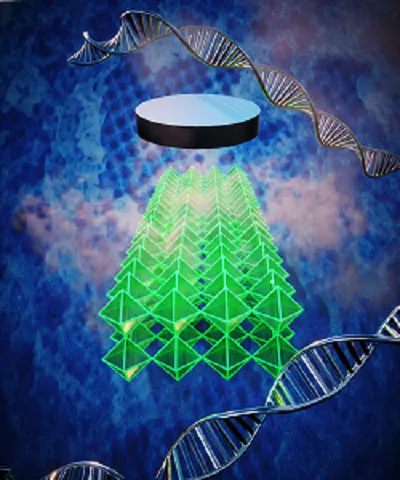
3/11/2021 Update: This paper received increased recognition from Materials Today. See the link for more detail:
Materials Today News Release:
https://www.materialstoday.com/nanomaterials/news/dna-assembly-creates-3d-superconductors/
11/25/2020 Update: The recent paper from Professor Gang's group in Nature Communications on 3D superconducting nanostructures has received increased coverage at the Physics World website. See the link for more detail:
PhysicsWorld Coverage:
DNA origami makes 3D superconducting nanostructures – Physics World
A paper from Professor Gang's…